2026-11-22 ·
Oversize Load Permit Rules for Routes Near the Cajon Pass
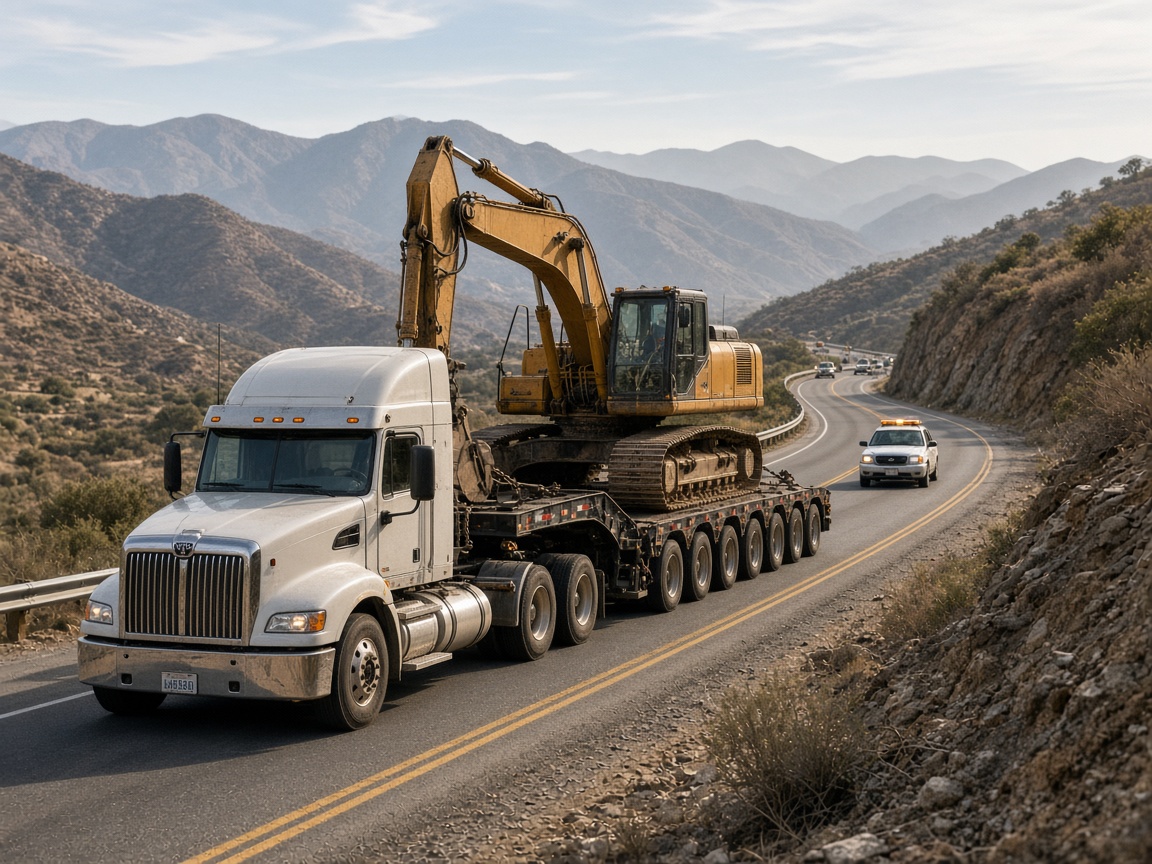
Oversize load permits for routes near the Cajon Pass are handled through Caltrans District 8 and must be applied for at least 10 business days ahead when loads exceed 8.5 feet wide, 14 feet high, or 80,000 pounds gross weight on paths connecting San Bernardino to Highland and Colton.
Caltrans Permit Application Basics
Operators moving heavy equipment through the Cajon Pass corridor submit applications via the Caltrans oversize load portal with vehicle dimensions, axle counts, and proposed routes. Loads wider than 12 feet or taller than 15 feet trigger additional pilot car requirements and possible nighttime travel restrictions. Routes that pass near California State University San Bernardino often face extra review because of nearby overpasses and ramp configurations. Approval hinges on current bridge ratings and construction activity along I-15 and Highway 138. Haulers commonly include alternate routes through Muscoy or Verdemont when primary corridors are restricted. The process also accounts for seasonal heat that can affect tire pressure and load stability on long grades.
Dimension Limits and Route Restrictions
Standard limits near the Cajon Pass allow 8.5-foot widths and 14-foot heights without permits, but anything beyond requires specific approvals that list exact mile markers. Loads over 14 feet wide must travel with two pilot cars and avoid peak hours around San Bernardino City Hall access points. Height clearances drop below 16 feet on certain connectors serving Arrowhead and Del Rosa neighborhoods, forcing detours. Gross weights above 80,000 pounds need axle-by-axle breakdowns and may be denied during periods of high fire danger in the pass. Operators report that routes through Colton frequently add extra restrictions because of older rail crossings that cannot handle concentrated loads.
Hot Desert Climate Effects on Permitted Loads
San Bernardino County's hot desert climate pushes summer pavement temperatures above 140 degrees, which changes how oversize loads are permitted during midday hours. Caltrans may restrict travel on grades near Glen Helen Regional Park when forecasts exceed 105 degrees to prevent tire failures or brake overheating. Haulers preparing for these conditions often reference practical steps in How to Prepare Machinery for Transport on Hot Inland Empire Days. Reduced speed limits appear on permits for equipment traveling from Downtown San Bernardino toward the pass, and drivers must carry extra water and cooling equipment. Soil expansion on shoulders during extreme heat also narrows usable lane widths on older county roads serving Redlands.
Local Route Planning Around Highland and Colton
Routes from Highland to the Cajon Pass cross varied terrain that includes steep grades and older infrastructure, requiring permits to specify exact exit numbers and turnaround points. Oversized Load Hauling teams familiar with these corridors adjust escort placements for blind curves near Muscoy. Loads originating in Arrowhead often route through Del Rosa to avoid residential weight limits, while Verdemont departures use I-15 connectors that carry stricter height rules. Heavy Equipment Hauling operators note that Colton rail yards add last-minute permit amendments when freight trains block sidings. Planning includes checking current construction at Glen Helen Regional Park exits that can close shoulders for weeks.
Scheduling Around Business Hours and Practical Next Steps
San Bernardino Equipment Hauling maintains availability Monday through Friday from 8am to 6pm and Saturday from 9am to 2pm for permit coordination calls. Operators finalize route sheets and escort schedules during these windows before submitting final Caltrans paperwork. Reviewing the latest bridge reports and heat advisories the day before departure prevents on-site denials. Linking to Securing Equipment During Rainy Season on San Bernardino Valley Roads helps crews adapt plans when winter storms follow summer heat cycles.