2026-11-22 ·
Securing Equipment During Rainy Season on San Bernardino Valley Roads
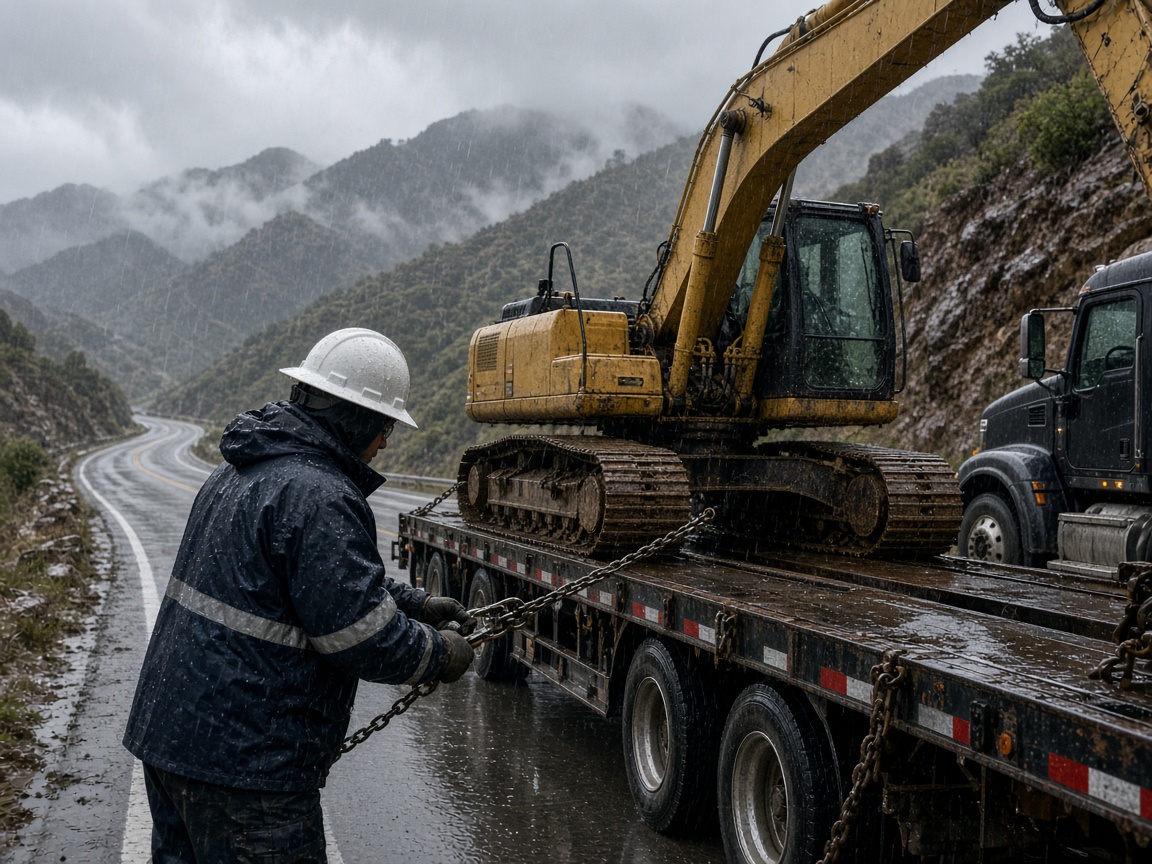
Securing equipment during rainy season on San Bernardino Valley roads starts with double-checking chain tension every 30 miles and using rubber wheel chocks on trailers rated for wet traction. San Bernardino County winters bring sudden downpours that turn older asphalt in neighborhoods like Del Rosa and Muscoy into slick surfaces, especially where drainage dips near California State University San Bernardino.
Reading Local Road Conditions Before Loading
San Bernardino Valley roads change fast once rain starts. Routes through Verdemont and near Glen Helen Regional Park collect water in low spots that were never designed for heavy loads. Operators check pavement temperature and recent rainfall totals because 0.5 inches can make the difference between stable traction and hydroplaning on the climb toward Arrowhead. Trucks hauling through Highland often slow to 35 mph on curves where water pools against the curb. Drivers also watch for debris washed onto the road from the surrounding foothills, which can shift a load if struck at speed. These checks happen before leaving the yard and again at the first safe pullout after crossing into neighboring Colton or Redlands.
Choosing and Inspecting Securement Gear for Wet Weather
Rain reduces friction between equipment and trailer deck, so standard chains need inspection for rust and proper grade. Many crews switch to grade-70 chains with grab hooks that stay tight even when the deck is wet. Wheel chocks get placed both in front of and behind tires on slopes common around Muscoy. Straps rated for 5,000 pounds replace older webbing that stretches when soaked. Before each trip, crews test the Landoll trailer’s air brakes on a wet section of lot to confirm stopping distance stays within safe limits. Equipment like excavators and bulldozers receives extra corner straps because their tracks can slide sideways on the first curve after a rain cell passes.
Route Planning Around San Bernardino Valley Terrain
Heavy equipment often moves between job sites in Downtown San Bernardino and new construction near Verdemont. Rain makes the steeper grades near Arrowhead more demanding, so drivers plan extra time and avoid routes with known drainage issues. Heavy Equipment Hauling crews compare current conditions against the route used on dry days and adjust departure times to miss peak traffic. When loads head toward Redlands or Highland, they favor wider arterials that have better shoulder space for emergency stops. Checking Caltrans road reports the night before prevents surprises on the final approach to Glen Helen Regional Park.
Daily Inspection Steps After Rain Exposure
After any rainy run, crews walk the entire load looking for chain slack caused by vibration on wet roads. They re-tension straps at the first safe stop and again upon arrival. Equipment decks get swept clear of mud that can hide small movements. Trailers receive brake and light checks because water can short connections on older models used in San Bernardino County. These steps take 15 minutes but prevent the load from shifting on the return trip through Del Rosa or past San Bernardino City Hall. Operators also note any new potholes that appeared overnight so the next load can take a different street.
Adjusting for Seasonal Weather Patterns
San Bernardino’s hot desert summers give way to winter rains that arrive in short, intense bursts. Crews prepare by carrying extra absorbent mats that keep decks from becoming skating rinks. When forecasts call for steady rain, loads move earlier in the day before water builds on the pavement. How to Prepare Machinery for Transport on Hot Inland Empire Days covers summer practices, yet the same attention to detail applies when cold rain replaces heat. Knowing the difference between a quick shower and a full storm system helps decide whether to add extra chains or wait for clearing skies.